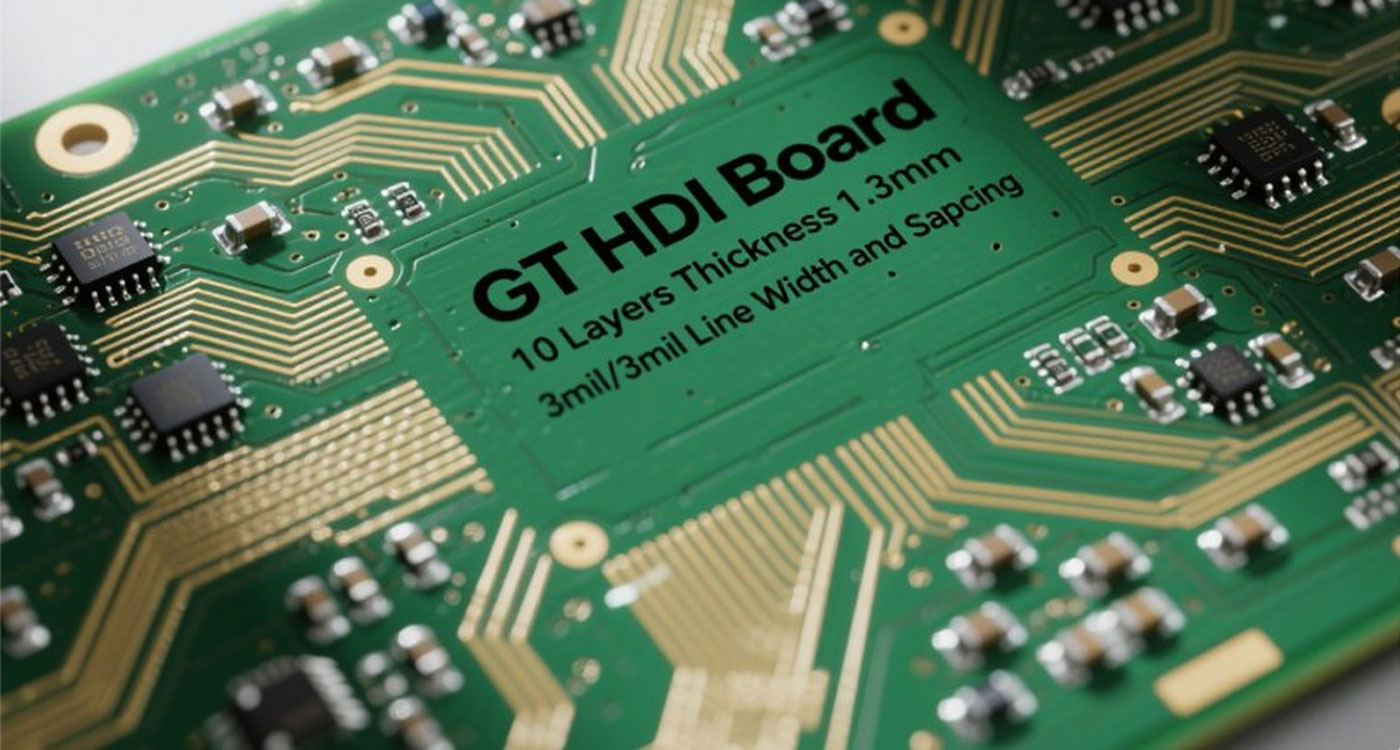
Rigid PCB Assembly is the process of soldering, mounting and integrating electronic components onto a rigid printed circuit board — a non flexible substrate (commonly FR 4) that holds a fixed shape and provides stable mechanical support.It typically includes SMT (surface mount technology), through hole soldering, optical inspection, electrical testing and functional verification.Rigid PCB assemblies are widely used in industrial control, automotive electronics, consumer electronics and communications equipment for their high stability, reliability and strong structural rigidity.
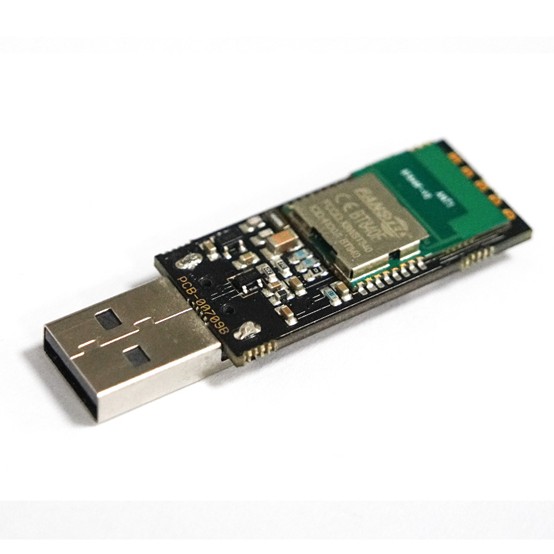
The main types of rigid PCB assembly are categorized by component mounting methods and structure:
1. SMT-only assembly: All electronic components are surface-mounted on rigid PCBs, featuring high assembly density and suitability for miniaturized products.
2. Through-hole (THT) assembly: Components with pin leads are inserted into plated through holes and soldered, offering stable mechanical connection for high-power or high-stress components.
3. Mixed assembly (SMT + THT): Integrates both surface-mounted and through-hole components, the most widely used type for versatile electronic devices.
4. Multilayer rigid PCB assembly: Based on rigid PCBs with two or more conductive layers, applied in high-performance, high-complexity electronic equipment.
Common challenges in rigid PCB assembly include:
1.Miniaturization & fine-pitch component handling Small parts (0201, 01005) and fine-pitch ICs easily cause tombstoning, solder bridging, or misalignment during mounting and soldering.
2.Solder joint quality control Issues like cold solder joints, insufficient solder, voids, and bridging directly lower reliability and require strict process control.
3.Thermal management during soldering Uneven reflow or wave soldering temperatures may damage heat-sensitive components or cause thermal stress to the rigid board.
4.PCB warpage and deformation Thin rigid PCBs or asymmetric layer designs can warp under high temperatures, leading to poor component contact or assembly failure.
5.Lead-free soldering requirements Higher processing temperatures and stricter parameter control are needed to meet lead-free standards while maintaining stable soldering quality.
6.High-density assembly accuracy Dense layouts and tight clearances demand high-precision placement equipment, increasing difficulty for mass production consistency.
7.Inspection and testing limitations Hidden solder joints and compact layouts reduce the effectiveness of AOI and ICT, making defect detection more challenging.
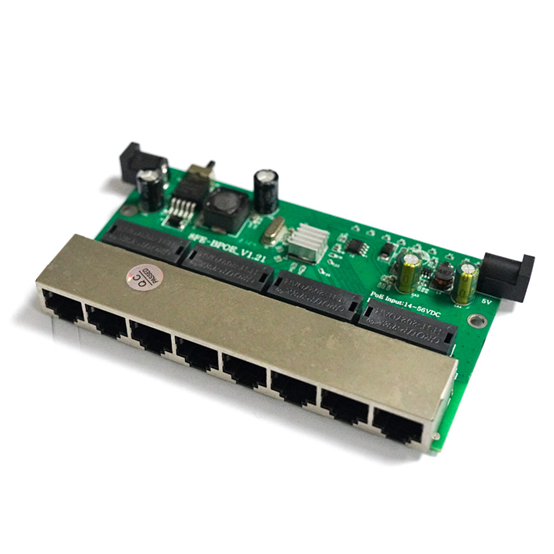
Rigid PCB assemblies are widely used across industries for their mechanical stability, durability and reliable performance:
To obtain the best rigid PCB assembly solutions, focus on these key steps:
1. Choose a professional manufacturer with IPC standards, complete certifications (ISO, UL) and rich experience in your target industry.
2. Provide complete and accurate design documents, including Gerber files, BOM lists and assembly drawings to avoid misunderstandings.
3. Optimize your PCB design for assembly (DFA) to reduce assembly risks, improve production yield and reliability.
4. Select suitable base materials, surface finishes and assembly processes based on your application environment and performance requirements.
5. Require strict quality inspection throughout production, including AOI, X-ray, ICT and functional testing.
6. Conduct prototype assembly and verification before mass production to detect and fix issues early.
7. Balance cost, lead time and quality with clear communication to meet your actual project demands.


 Hindi
Hindi
 Chinese
 Japanese